RESEARCH
Static No More: Predicting How CO₂ Changes Rock
New research from SPE IOR 2026 gives US operators a validated model predicting CO₂ injectivity shifts over time
22 May 2026
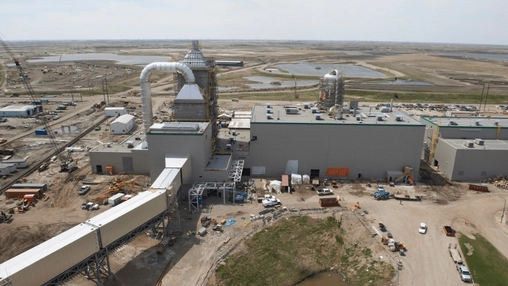
For decades, the oil industry viewed the deep earth as a static vault. Pump carbon dioxide into an old well, and it would smoothly nudge out the remaining crude while staying safely locked away. Yet reality is rarely so obliging. Deep underground, carbon dioxide mixes with water to form a weak acid, slowly dissolving some minerals while baking others into new shapes. Over months, these quiet chemical shifts can clog the pores of the rock, causing injection volumes to plunge and expensive recovery projects to stall.
A new kinetic model, presented at the SPE Improved Oil Recovery Conference in Tulsa, Oklahoma, attempts to map these subterranean changes. By exposing Berea sandstone samples to carbonated brine at high temperatures and pressures, researchers isolated chemical reactions from the messy physical forces of fluid flow. The result is a clearer picture of how rock structure evolves under prolonged exposure to carbon dioxide.
Predicting these shifts is becoming a commercial necessity. The global market for enhanced oil recovery stood at 61 billion dollars in 2025 and is projected to nearly double by 2035. Much of this growth is driven by American operators using federal incentives for carbon capture and storage. These firms face a tricky dual mandate: they must extract more oil while proving the greenhouse gas remains trapped underground.
Yet relying on lab-grown frameworks to manage massive, unpredictable geological formations carries its own trade-offs. While the new model gives engineers a predictive tool before making costly field investments, translating sterile core samples into regional realities remains an expensive gamble. If the calculations are slightly off, operators risk either ruining their wells or failing their environmental targets. For an industry trying to turn a historical pollutant into an economic lifeline, the chemistry must be precise.
Related News


SUBSCRIBE FOR UPDATES
By submitting, you agree to receive email communications from the event organizers, including upcoming promotions and discounted tickets, news, and access to related events.