INNOVATION
From Pilot to Profit: Alaska Cracks Chemical EOR at Scale
New polymer flood research from SPE IOR 2026 could fast-track US heavy-oil recovery across billions of stranded barrels
29 May 2026
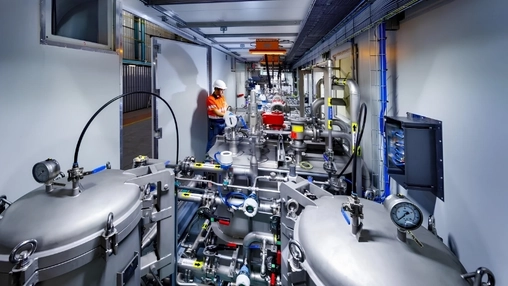
Eight years of field data from Alaska's North Slope are reshaping how the industry thinks about scaling polymer flooding. At the 2026 SPE Improved Oil Recovery Conference in Tulsa, Ultimate EOR Services and Hilcorp Alaska presented a framework built to close the most persistent gap in chemical EOR: the engineering delay between a proven pilot and a full-field commercial program.
Polymer flooding thickens injected water to improve sweep efficiency, pushing more oil toward production wells. For heavy-oil formations where reservoir viscosity defeats conventional waterflooding, it's one of the few tertiary recovery methods that actually pencils out.
The Milne Point project started as a two-well test in 2018. It now runs 50 horizontal injection wells processing 60,000 barrels of water per day across nine active skids, a pace of expansion that has few precedents in North American chemical EOR. Researchers from the University of Texas at Austin contributed to the commercialization methodology.
Also, the performance numbers are hard to argue with. Recovery rates roughly doubled over the preceding waterflood, with some patterns reaching 27 percent of original oil in place. Water cut fell from 70% to below 20% in key production zones. Economic modeling puts the project in profitable territory well below current market prices, with each dollar invested returning more than five at base case.
North Slope heavy-oil resources sit somewhere between 20 and 25 billion barrels. A validated rapid-deployment framework applied across those formations, and potentially to heavy-oil fields in California and western Canada, could convert volumes the industry has long acknowledged into actual capital programs.
Operators face mounting pressure to extract more from existing assets without betting on greenfield discovery. Polymer flooding, delivered faster through a proven commercial roadmap, is one of the cleaner answers on the table.
Related News


SUBSCRIBE FOR UPDATES
By submitting, you agree to receive email communications from the event organizers, including upcoming promotions and discounted tickets, news, and access to related events.