MARKET TRENDS
New Tech Pushes EOR Toward a Cleaner Horizon
US EOR gains momentum as new fluids, digital tools, and partnerships push carbon minded strategies
27 Oct 2025
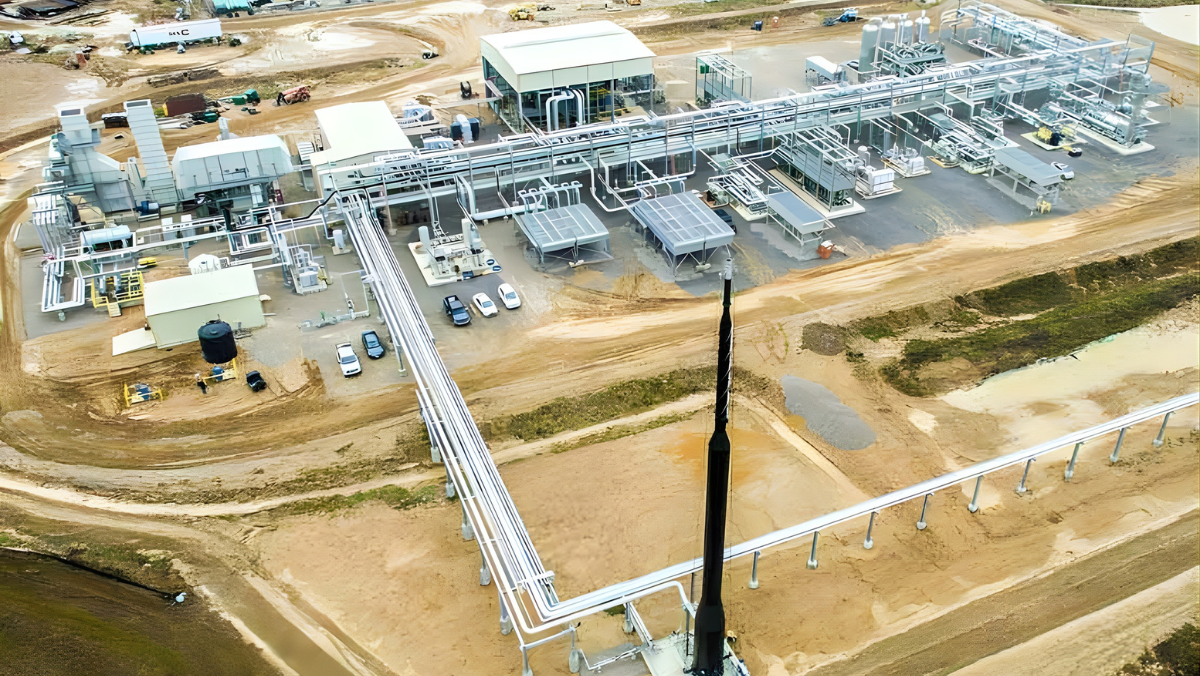
The US enhanced oil recovery sector is entering a new phase as research advances, digital systems and emissions targets reshape a technique long used to extend the life of mature oilfields. Companies and research groups are exploring fluid designs and monitoring tools that could link higher recovery rates with more secure carbon storage, supported by early partnerships across the supply chain.
Fresh interest has come from simulation work at the University of Texas at Austin suggesting that formate-based injection fluids may raise recovery rates and store more carbon than standard CO₂ methods. The research remains at a modelling stage, with no commercial field tests. Academic studies continue, and industry attention is growing, although public pilot projects are scarce. A senior Occidental engineer said the industry is moving toward a model in which production efficiency and carbon retention reinforce one another, a theme echoed at recent technical conferences.
Digital systems are spreading quickly across EOR projects. Real-time sensors, automated injection controls and more detailed reservoir models are being introduced by producers and service groups. Halliburton and others are widening their offerings to link enhanced recovery with carbon-management frameworks. Analysts say such tools improve forecasting and operational discipline while helping projects align with federal incentives tied to verifiable storage.
Corporate strategy is shifting in parallel. Some operators are forming closer ties with carbon-capture developers and CO₂ pipeline networks to secure long-term supply. Others are reworking older fields for combined oil recovery and storage as asset values become more sensitive to environmental metrics. Investors and policymakers are watching the sector more closely as EOR intersects with federal and state carbon-capture plans.
Several hurdles remain. The performance of new carrier fluids over long operating periods is still unproven, digital upgrades can require heavy upfront spending and access to CO₂ transport varies across regions. Life-cycle studies indicate that traditional EOR can remain carbon positive unless storage improves.
Even so, analysts note rising capital flows and broader technical participation as signals of cautious confidence. For many companies, the shift marks a turning point as technology, policy and commercial pressures converge. Should current concepts progress, EOR could play a more prominent role in lower-carbon oil production in the US.
Latest News
22 Nov 2025
Three Partners, One Goal: A Cleaner Permian27 Oct 2025
New Tech Pushes EOR Toward a Cleaner Horizon22 Oct 2025
The Quiet Boom in Enhanced Recovery!10 Oct 2025
AI Takes Aim at the CO₂-EOR Challenge
Related News
PARTNERSHIPS
22 Nov 2025
Three Partners, One Goal: A Cleaner Permian
MARKET TRENDS
27 Oct 2025
New Tech Pushes EOR Toward a Cleaner Horizon
INVESTMENT
22 Oct 2025
The Quiet Boom in Enhanced Recovery!
SUBSCRIBE FOR UPDATES
By submitting, you agree to receive email communications from the event organizers, including upcoming promotions and discounted tickets, news, and access to related events.